
When it comes to durable, versatile and distinctly Australian building materials, few options match the timeless appeal of corrugated iron cladding. Whether you’re building a new coastal home on the Mornington Peninsula, re-cladding a weathered shed in Rosebud, or adding a striking feature wall to a commercial fitout in Frankston, corrugated cladding delivers the perfect balance of form and function.
At Oceanside Roofing, we’ve been installing corrugated iron cladding across Melbourne and the Mornington Peninsula for years. We understand the unique demands of our coastal climate – the salt air, the howling southerlies, the summer heat – and we know exactly which products and installation methods stand the test of time. If you’re considering corrugated wall cladding for your next project, you’re in the right place.
What Is Corrugated Iron Cladding?
Corrugated iron cladding refers to metal sheeting featuring a repeating wave or ripple profile, used as an external covering for walls, facades and structures. The corrugated profile isn’t just for aesthetics – those distinctive ridges and valleys add significant structural rigidity to what is otherwise a relatively thin sheet of steel.
Modern vs Traditional
The term “corrugated iron” is a bit of a throwback. Traditional corrugated iron was indeed made from iron or mild steel, often galvanised with a zinc coating to resist rust. You’ll still see these original zinc-coated sheets on heritage buildings, farmhouses and old woolsheds right across Victoria.
Modern corrugated cladding, however, is typically made from high-tensile steel with advanced protective coatings. The two most common options in Australia are:
– Galvanised steel (zinc-coated) – the classic silver-grey finish that weathers naturally over time
– Colorbond steel – pre-painted steel available in over 20 colours, with a baked-on finish designed for the Australian climate
Both options come in several profiles beyond the traditional sinusoidal (wave) pattern, including mini-orb and custom architectural profiles. Your choice of profile affects the overall look — from rustic farmhouse charm to sleek contemporary lines.
Corrugated Wall Cladding for Homes, Sheds & Commercial Buildings
One of the greatest strengths of corrugated wall cladding is its versatility. This isn’t a material limited to one type of building or application. Across the Mornington Peninsula and greater Melbourne, we install corrugated iron wall cladding on a wide range of structures.
Residential Facades
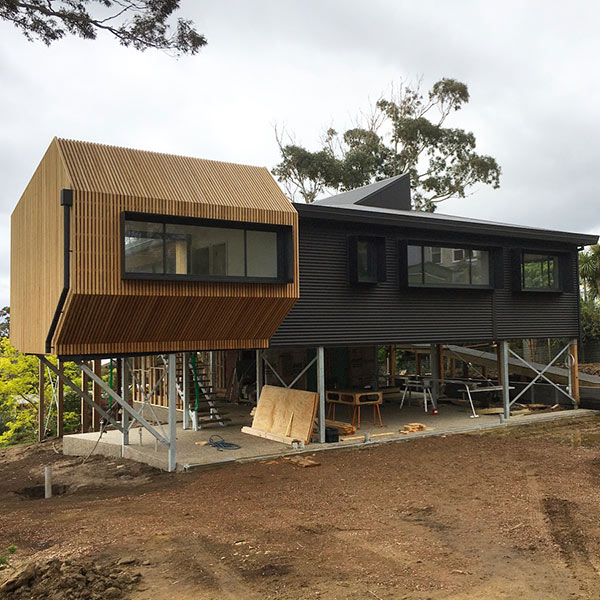
Architects and builders across the Peninsula have embraced corrugated cladding as a primary facade material. It pairs beautifully with timber, stone and rendered surfaces, and it suits everything from beachside holiday homes to modern family residences. Full-height corrugated wall cladding creates a bold, textural statement, while partial cladding – on a feature wall or upper storey – adds visual interest without overwhelming the design.
Shed Wall Cladding
If you own a rural or semi-rural property on the Mornington Peninsula, chances are you’ve got a shed that’s seen better days. Shed wall cladding is one of our most common jobs – replacing rusted, dented or deteriorating sheets with fresh corrugated cladding that restores both appearance and weather protection. We also clad new sheds, garages, carports and outbuildings, ensuring they complement your home and meet local building requirements.
Commercial and Industrial Buildings
From retail shopfronts in Mornington to warehouse facades in Seaford, corrugated iron cladding is a cost-effective and attractive option for commercial properties. It’s low-maintenance, fire-resistant and quick to install – which means less disruption to your business during construction.
Zinc vs Colorbond Corrugated Cladding – Which Is Right for Your Project?
Choosing between zinc (galvanised) and Colorbond corrugated cladding comes down to your aesthetic preferences, budget and the specific demands of your site. Both are excellent options, but they have distinct characteristics worth understanding.
Zinc (Galvanised) Cladding
Zinc cladding offers that unmistakable raw, industrial look that has become hugely popular in contemporary architecture – particularly on the Mornington Peninsula, where designers are drawing on the region’s agricultural and coastal heritage. Over time, galvanised steel develops a soft grey patina that many homeowners find incredibly appealing.
Key advantages of zinc cladding include:
– Natural, heritage-inspired appearance
– Self-healing properties – minor scratches in the zinc coating re-seal over time
– Lower upfront material cost
– Excellent corrosion resistance, especially with modern Zincalume coatings
Colorbond Cladding
Colorbond steel gives you the durability of steel with a factory-applied paint finish in colours specifically developed for Australian conditions. From the coastal blues and greens of the Mornington Peninsula palette to bold charcoals and clean whites, there’s a Colorbond colour for every design vision.
Key advantages of Colorbond cladding include:
– Wide colour range with consistent, long-lasting finish
– Excellent resistance to chipping, peeling and cracking
– Designed to resist UV fading in harsh Australian sunlight
– Thermatech technology in selected colours to reflect solar heat
Our Recommendation
For coastal properties on the Mornington Peninsula, we often recommend Colorbond in the “Matt” finish range for its reduced glare and sophisticated appearance, or Zincalume for clients chasing that authentic zinc look with modern corrosion protection. During your consultation, we’ll discuss the pros and cons of each option in the context of your specific project, site orientation and budget.
Why Corrugated Iron Cladding Suits Mornington Peninsula Properties
The Mornington Peninsula presents a unique set of environmental challenges – and corrugated iron cladding is exceptionally well-suited to handle all of them.
Coastal Durability
Salt-laden air is the enemy of many building materials, but modern corrugated steel cladding with appropriate coatings is engineered to withstand coastal corrosion zones. We select materials rated for your property’s distance from the coast, ensuring longevity even in the most exposed locations along the Peninsula’s beaches.
BAL Compliance
Many areas across the Mornington Peninsula fall within Bushfire Attack Level (BAL) zones. Steel cladding is non-combustible and can help your property meet BAL compliance requirements – an increasingly important consideration for new builds, extensions and renovations in areas like Red Hill, Flinders and the hinterland.
Architectural Trends
There’s a reason you’re seeing more and more corrugated cladding on Peninsula homes. Local architects are championing the material for its ability to connect modern design with the region’s rural and coastal character. Corrugated iron cladding feels at home here – it references the boatsheds, barns and beach boxes that define the Peninsula’s identity, while still looking fresh and contemporary.
Low Maintenance
Peninsula homeowners know the value of a low-maintenance exterior. Unlike timber cladding, which demands regular painting and sealing, or render, which can crack and stain, corrugated steel cladding requires little more than an occasional wash-down with fresh water to keep it looking its best.
Our Corrugated Cladding Projects
We’ve completed corrugated cladding installations right across the Mornington Peninsula. Here are a few examples of our recent work:
– Portsea Standing Seam Cladding – A stunning coastal residence featuring standing seam metal cladding that showcases the premium end of what steel cladding can achieve.
– Shoreham Project – A beautiful Peninsula property where corrugated cladding was used to create a warm, textural facade that blends seamlessly with the natural bushland setting.
We encourage you to browse our full project portfolio to see the range of cladding work we’ve delivered for homeowners and builders across Melbourne.
Our Installation Process
When you choose Oceanside Roofing for your corrugated iron wall cladding project, you get a structured, professional process from start to finish.
1. Site Assessment
We visit your property to measure up, assess the existing structure, check for any underlying issues (moisture damage, structural concerns, ventilation requirements) and discuss your vision for the project.
2. Material Selection
Based on your site, budget and design preferences, we’ll recommend the right cladding material, profile, colour and coating. We source all materials from trusted Australian suppliers and can provide samples for you to review.
3. Preparation and Flashing
Proper preparation is what separates a cladding job that lasts from one that doesn’t. We install appropriate building wrap, cavity battens for ventilation, and custom-fabricated flashings at every junction – around windows, doors, corners and where the cladding meets the roofline. Waterproofing is never an afterthought.
4. Cladding Installation
Our experienced team installs each sheet with precision, using correct fastener patterns, appropriate screw types for the coastal environment, and proper overlap details to ensure a watertight, wind-resistant finish.
5. Completion and Clean-Up
We complete a final inspection, clear all debris from your site, and walk you through the finished result. We also provide care and maintenance guidance so you can keep your cladding looking great for decades.
Frequently Asked Questions About Corrugated Iron Cladding
How much does corrugated iron cladding cost?
The cost varies depending on the material (zinc, Colorbond or Zincalume), the profile, the size of the area being clad, and site-specific factors such as access and height. We provide free, detailed quotes so you know exactly what to expect – no hidden costs.
How long does corrugated cladding last?
With proper installation and appropriate material selection for your environment, corrugated steel cladding can last 30 to 50 years or more. Colorbond steel comes with manufacturer warranties of up to 36 years on the steel and paint finish.
Does corrugated cladding require much maintenance?
Very little. We recommend washing your cladding with fresh water every six months — more frequently if you’re within a few hundred metres of the coast. This removes salt deposits and helps the finish last longer.
Do I need council approval for cladding work?
In many cases, re-cladding an existing structure like-for-like doesn’t require a permit. However, new builds, extensions, and changes to the external appearance of your property may require a planning permit from your local council (Mornington Peninsula Shire or other relevant authority). We can help guide you through this process.
Can corrugated cladding be installed over existing walls?
In many situations, yes. We can install corrugated cladding over existing timber or masonry walls using a batten system that provides a ventilation cavity. We’ll assess the suitability of your existing structure during the site visit.
Get a Quote for Corrugated Iron Cladding
Whether you’re planning a full home re-clad, need fresh shed wall cladding, or want to explore zinc cladding options for a Mornington Peninsula property, Oceanside Roofing is here to help.
Contact Oceanside Roofing for a free measure-and-quote on corrugated iron cladding for your home, shed or commercial property across the Mornington Peninsula and Melbourne. Call Tony and the team today on 0405 320 402, email us at tony@oceansideroofing.com.au or fill out our online quote form to get started.